







Categories and Requirements for Electrical Fittings
Date: 2025-11-21 Categories: Blog Views: 805
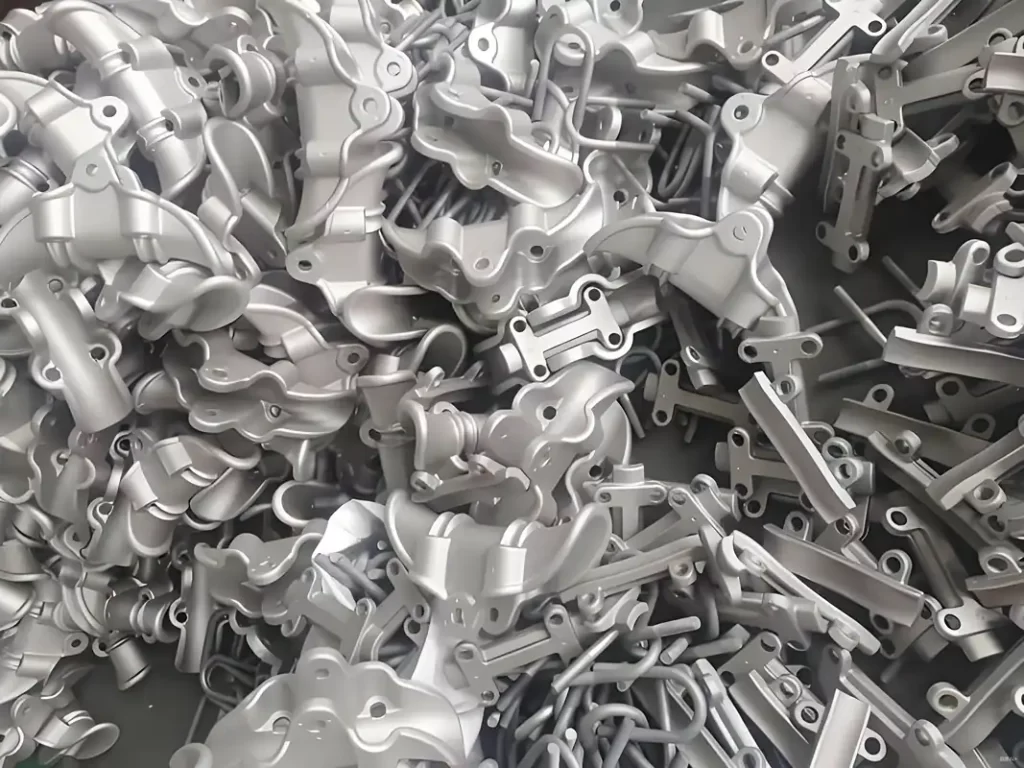
Electrical fittings refer to metal components used for connecting, securing, and diverting power in electrical systems. Based on application scenarios and functional requirements, electrical fittings can be categorized as follows:
1. Conductor hardware:
Used for securing and connecting conductors in power systems, these primarily include conductor clamps, conductor supports, and conductor hooks. Conductor hardware must possess excellent corrosion resistance, withstand electrical breakdown and mechanical impact, and ensure the secure fastening and connection of conductors.
2. Grounding hardware:
Grounding connections for power systems are used to reduce leakage voltage in electrical equipment, thereby protecting personnel and equipment safety. Grounding hardware must be made of materials with excellent electrical conductivity to effectively divert current into the ground, ensuring the reliability of the grounding system.
3. Insulating hardware:
Used for insulating connections between live parts and grounded parts in power systems. Insulating hardware must possess excellent insulating properties to prevent electrical breakdown and ensure the safe operation of power systems.
4. Protective Fittings:
Protective hardware used in power systems to safeguard equipment and lines. This primarily includes fuses, surge arresters, lightning rods, and similar components. Protective hardware must provide reliable overload and short-circuit protection, capable of rapidly interrupting current during faults to prevent damage to equipment and lines.
5. Bracket hardware:
Hardware used in power systems to support and secure equipment and lines. This primarily includes utility poles, suspension clamps, and crossarms. Support hardware must possess excellent mechanical strength and wind load resistance to stably support equipment and lines, ensuring the normal operation of the power system.
Requirements for Electrical Fittings:
The requirements for electrical fittings primarily include the following aspects:
1. Mechanical strength:
Electrical fittings must possess sufficient mechanical strength to withstand external loads and impacts, maintaining stable connections and secure fastening under harsh environmental conditions.
2. Corrosion Resistance:
Electrical fittings must possess excellent corrosion resistance, capable of long-term operation in humid, high-temperature, and cold environments without rusting or corroding, while maintaining reliable electrical conductivity and insulation properties.
3. Electrical Conductivity:
Conductor fittings and grounding fittings must possess excellent electrical conductivity to ensure the normal transmission and grounding of electrical current. Insulating fittings must exhibit superior insulation properties to prevent electrical breakdown and leakage, thereby guaranteeing the safe operation of power systems.
4. Easy installation:
Electrical fittings must be easy to install and operate, enabling quick and precise connection and securing.
5. Wind Load Resistance Capacity:
Bracket fittings must possess sufficient wind load resistance to maintain stability under extreme weather conditions such as strong winds. They are frequently used in... (NTSCGEWOU) Mining Cable
In summary, electrical fittings are indispensable metal components in power systems, serving functions such as connection, fixation, and current distribution. Based on application scenarios and functional requirements, electrical fittings can be categorized into multiple types. While different categories have distinct technical specifications, all must possess adequate mechanical strength, corrosion resistance, electrical conductivity, and ease of installation. These requirements are crucial for ensuring the normal operation of power systems and the safety of equipment.